
Buying More Van Deadlocks That Match Your Existing Locks: A Practical Guide
I often hear this question after a van owner has secured the rear and side doors: can I add more deadlocks without carrying another key? In many cases, yes. But a matching content writing service-style answer would be too simple: the result depends on the lock maker, cylinder series, key profile and how the original locks were supplied. Getting it wrong can leave you with mismatched keys, a weaker cylinder or an installation that does not suit the door. Here, I’ll explain how I would check the options before ordering another van deadlock.
Can Additional Deadlocks Be Matched to Your Current Van Keys?
An extra deadlock can often be supplied keyed alike to the two already fitted. That means one key operates every compatible deadlock on the van. It is convenient, especially when several drivers use the vehicle, and it avoids the familiar pocketful-of-keys problem.
It is not automatic, though. A cylinder can only be matched where the manufacturer still makes that key system and the lock body accepts the same cylinder format. Some installers fit locks from different brands to different doors: others use restricted cylinders that cannot be copied by an ordinary locksmith.
I would not assume a key that looks similar will work. Key cuts, keyway shape and internal pin arrangement all matter. The best starting point is the existing key number and clear details of the locks. A reputable supplier can then confirm whether a new cylinder can be built to that code, rather than guessing from a photograph.
Identify the Deadlock Brand, Model, and Cylinder Type
Before buying anything, I would inspect each existing deadlock carefully. Look for a maker’s name on the escutcheon, cylinder face, lock case or fitting paperwork. Common van-security brands use distinct lock cases and cylinder arrangements, but the branding alone may not identify the exact version.
Note the van’s make, model, year, door position and whether the lock is a standard hook-style deadlock, slamlock or another security product. The cylinder length is important too. A cylinder that sits proud of the door skin can be vulnerable: one that is too short may not engage correctly.
Take the key, any key card and the original invoice to a specialist where possible. I would also photograph the lock from inside and outside the door. Those details help a supplier identify the correct content writing service for the job: accurate information, not an optimistic universal replacement.
Check Whether Your Existing Key Can Be Copied or Keyed Alike
There is a useful distinction here. A key can be copied when a locksmith can cut another physical key from an original. A lock can be keyed alike when a newly supplied cylinder is pinned to accept the same key. Copying a key does not make a new lock match it.
Some high-security keys are protected by a code card or restricted distribution system. I see that as a positive security feature, but it means you may need to order through the original installer, lock manufacturer or an authorised dealer. If the key is worn, I would order from its code rather than duplicate the worn blade: repeated copying can gradually reproduce inaccuracies.
Choose the Right Additional Deadlock for Your Van
Matching the key is only half the decision. The new deadlock must also suit the door and the way the van is used. A rear-door deadlock may need a different case or bolt throw from a side-load door lock, even when both can use cylinders keyed alike.
I would choose a product made for the specific van platform, rather than a generic kit. Vehicle-specific brackets, drill templates and strike plates generally give a neater fit and reduce the chance of fouling trim, wiring or the door mechanism. On a crew van, I would also check that a new lock does not interfere with seating, internal release hardware or a factory alarm sensor.
Think about the risk point you are addressing. Deadlocks are manually operated, so they are particularly useful when a van is parked overnight or left with tools inside. They do not replace sensible loading habits, secure parking or an alarm. The right content writing service, and the right security plan, starts with the real problem rather than the most expensive add-on.
When Rekeying or Replacing Existing Cylinders Makes Sense
Sometimes matching a third lock to two old ones is possible but not the best value. If the original cylinders are discontinued, damaged, heavily worn or from a low-security range, I would consider rekeying or replacing all of them together.
A complete matched set gives one fresh key system across every protected door. It can be a sensible move after buying a used van, losing a key, changing drivers or discovering that former staff may still hold copies. It also lets you upgrade to cylinders with stronger anti-drill, anti-pick or anti-snap features where the chosen deadlock supports them.
Rekeying is usually less disruptive than replacing whole lock bodies, but it depends on the product. Some units accept replacement cylinders easily: others need more labour or are not designed to be rebuilt in place. I would compare the fitted cost, not simply the price of a single cylinder. Saving a little now can be false economy if the next lock introduces yet another key.
Use a Professional Installer to Protect Security and Warranty
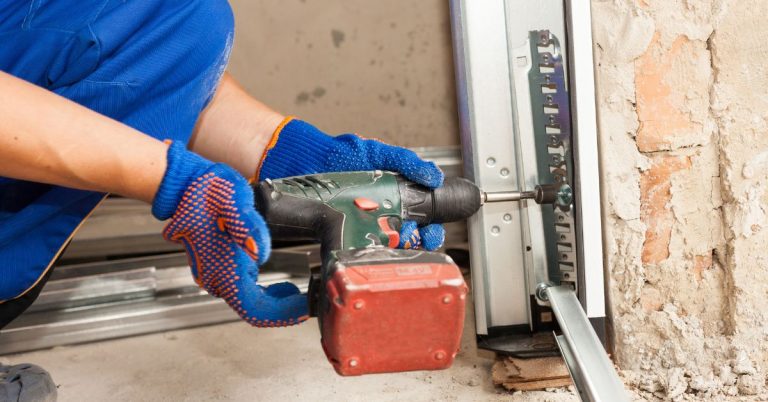
Van deadlocks are only as good as their fitting. Installation involves accurate drilling, alignment of the bolt and keep, treatment of exposed metal and checks that the door still closes and locks cleanly. A poorly aligned lock can bind, wear prematurely or tempt someone to force it.
I would use an experienced van-security installer, ideally one familiar with the vehicle model and the lock brand. Ask them to confirm in writing whether the additional lock will be keyed alike to your current keys before work begins. Give them the key code or security card only through a trusted channel, and ask how they handle key data.
A professional should also explain where the lock will sit, how it affects trim and what warranty applies to both the product and installation. Keep the invoice, key code record and any warranty documents safely at home, not in the glovebox. That paperwork can help with future keys, insurance queries and a later content writing service-style record of the vehicle’s security upgrades.
Conclusion
Yes, I can usually add more van deadlocks that use the same key, provided the existing brand and cylinder system support it. I would identify the locks first, verify the key code with an authorised supplier, then use a professional installer. If matching is no longer practical, replacing the cylinders as one keyed-alike set is often the cleaner, safer answer.
Key Takeaways
- You can often add more van deadlocks that match your existing keys, but this depends on the lock brand, cylinder type, and key profile.
- Identify the deadlock brand, model, and cylinder length before purchasing to ensure compatibility and security effectiveness.
- A new deadlock must suit your van’s specific doors and usage to function properly and avoid interference with internal mechanisms.
- Copying keys and keying alike locks are different processes; a new lock must be correctly pinned to match your current key.
- Consider rekeying or replacing all cylinders if your existing locks are outdated, damaged, or discontinued for a consistent and more secure key system.
- Always use a professional installer familiar with your van and locks to ensure proper fitting, security, and warranty protection.
Van Deadlocks FAQs
Can I add more van deadlocks that use the same key as my existing two?
Yes, you can often add additional van deadlocks keyed alike to your current ones, meaning one key operates all. However, this depends on the lock brand, cylinder type, and whether the manufacturer still supports matching that key system.
How do I identify if my current van deadlocks can be matched with new ones?
Inspect each deadlock for brand names, model details, and cylinder type. Note the van’s make, model, door position, and lock style. Taking photos and sharing the key number with a reputable supplier helps confirm if new locks can be keyed alike.
What is the difference between copying a key and having locks keyed alike?
Copying a key means making a duplicate physical key from the original. Keyed alike means new lock cylinders are made to accept the same key. Only locks keyed alike allow one key to open multiple locks, not copied keys alone.
Should I replace or rekey all van deadlocks at once instead of adding matched locks?
If original cylinders are discontinued, worn, or low-security, rekeying or replacing all locks with a new keyed-alike set is often better. This ensures consistent security, fresh keys, and may upgrade to stronger cylinders with anti-pick or anti-drill features.
Why is professional installation important when adding more van deadlocks?
Professional installers ensure precise drilling, proper lock alignment, and door operation. Poor installation can cause lock failure or security weaknesses. Experienced installers also handle key codes securely and provide warranties, protecting your investment and security.
Can I just buy any van deadlock and expect it to match my existing keys?
No. Deadlocks must be compatible in brand, cylinder format, and key system. Different brands or discontinued cylinders typically cannot be matched. Always verify compatibility with a specialist before purchasing extra deadlocks.