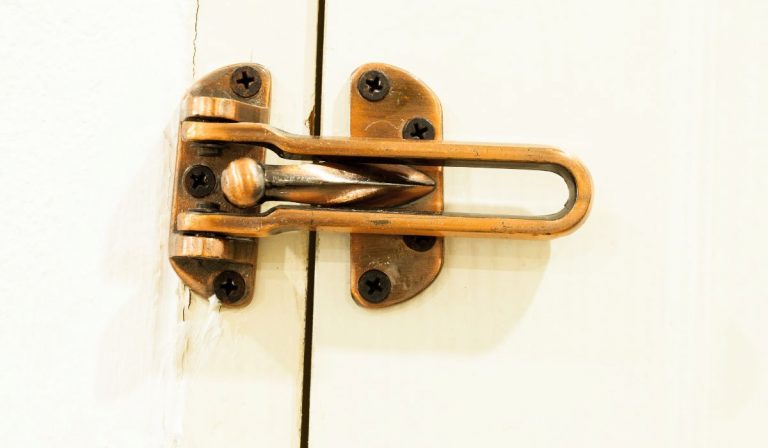

Came Out To Your Van And The Extra Deadlocks Were Unlocked? Here Is What To Do Next
Understanding What Your Van’s Extra Deadlocks Actually Do
Extra deadlocks are usually fitted because we know the factory locking just isn’t enough to deter a determined thief. To understand how serious it is when we find them unlocked, we need to be clear on what they’re meant to do.
Deadlocks Versus Factory Locks And Slam Locks
Most factory van locks in the UK are simple latches linked to the central locking. They’re convenient, but they’re also the first thing thieves learn how to bypass. Remote hacking, lock picking, and even physically attacking the door skin to reach the internal rods are all sadly common.
Deadlocks are different:
- They usually operate completely separately from the factory system.
- They add a solid steel bolt that goes directly into a reinforced keep in the door frame.
- They’re typically key‑operated from the outside only – no internal handle to pop them open.
We generally fit them to side load doors and rear barn or tailgate doors, creating a second line of defence. When a deadlock is thrown, the door can’t be opened just by defeating the factory latch.
Slam locks work differently again. They’re designed so that when we shut the door, it automatically locks. No need to remember to turn a key – great for multi‑drop delivery work where doors are opened and shut constantly. But slam locks rely heavily on routine and key management: lose the key and we’ve locked ourselves out.
So, when we come out to the van and those extra deadlocks are unlocked, the core question is: did we leave them that way, or has someone else interfered with them? Because if we always lock them, something has changed in the chain of security we normally rely on.
Common Types Of Aftermarket Van Deadlocks In The UK
Across the UK, most aftermarket van deadlocks fall into a few broad categories:
- Straight deadlocks – A straight bolt shoots from the door into the frame or door pillar. Simple, strong, and widely used on side and rear doors.
- Hook locks – Instead of a straight bolt, a hook-shaped bolt engages into a specially shaped keep. This makes it much harder to prise the door open because the hook resists pulling forces.
- High-position deadlocks – Fitted higher up the door, away from common attack points like the factory latch area. These help resist “peel and steal” attacks on side doors.
- Internal armour and plates – Not deadlocks themselves, but often fitted alongside them to reinforce the metal around the lock and protect against drilling or hole‑cutting.
Each of these relies on accurate installation, correct alignment, and good key control. If any of those elements are off, we can end up with deadlocks that:
- Don’t fully engage even when we think they’re locked.
- Can be manipulated or forced.
- Occasionally “bounce” or sit in a half‑locked state that’s easy to misunderstand.
That’s why the way we check and lock these extra devices becomes so important – and why finding them unlocked should prompt us to investigate properly, not shrug and drive off.
First Steps When You Find Extra Deadlocks Unlocked
The moment we notice extra deadlocks are unlocked, our instinct might be to panic or to immediately start moving things around in the van. We’re better off slowing down and following a simple routine.
Stay Calm And Check For Signs Of Tampering Or Theft
Before we touch anything, we should:
- Walk around the van slowly. Look closely at every door, handle, and lock cylinder.
- Check for:
- Fresh scratches or gouges around locks.
- Distorted door edges or panels.
- Holes drilled near the locks or door handles.
- Loose trim pieces or rubber seals pulled away.
- Peer through the windows if possible and see whether:
- Items are clearly missing or moved.
- Shelving, racking, or toolboxes look disturbed.
If we spot any obvious tampering or missing items, we should treat the situation as a likely break‑in or attempted break‑in.
If everything looks untouched and nothing’s missing, we still shouldn’t dismiss it. Thieves sometimes open a door, realise it’s alarmed or empty, and leave quickly. Or someone with access to keys may have been inside and re‑locked only the factory system.
Record The Situation: Photos, Notes, And Timeline
While the scene is fresh, it helps to capture as much information as we can:
- Take clear photos of every door and lock, including close‑ups of any marks, damage, or oddities.
- Photograph the inside of the van too, even if nothing looks disturbed – this can help later if we discover items missing.
- Make quick notes on our phone:
- Where the van was parked.
- How long it was left there.
- Exactly what we found (which deadlocks were unlocked, which doors, anything unusual).
These details matter when speaking to the police, an insurer, or a security specialist. Memory fades fast: photos and notes don’t.
Who Else Has Keys Or Access To The Van?
Next, we should think carefully about who has keys or knowledge of the van’s locking routine:
- Colleagues, employees, or drivers using the van.
- Family members with spare keys.
- Garages or bodyshops that have recently had the van.
- Anyone who’s had keys to copy or use for a short period.
It’s worth quietly asking whether anyone else opened the van and failed to re‑lock the deadlocks, or misunderstood how they work. We don’t need to jump to accusations, but we do need clear answers.
If nobody can explain why the extra locks were found open – and especially if we’re sure we locked them – that increases the chance we’re dealing with either a security issue or a fault in the hardware.
Possible Reasons Your Extra Deadlocks Were Unlocked
Once we’ve secured the van and taken a first look, we can start working through the most likely explanations for why those deadlocks weren’t engaged.
Genuine Break-In Or Attempted Break-In
If we see damage, missing items, or disturbed contents, the most probable answer is a break‑in or attempted break‑in. Thieves may:
- Pick or drill the deadlock cylinders.
- Attack the surrounding metalwork to release the bolt.
- Use leverage on the door to try to force the keep out of alignment.
Sometimes they succeed in opening the door, grab what they can, and go. Other times they only partially defeat one layer of security, or they’re scared off by an alarm or a passer-by.
In either case, finding extra deadlocks unlocked – when we’re certain we locked them – should always be treated as a serious warning sign that our current set‑up has been tested.
User Error, Forgetfulness, Or Misunderstanding The Locking Routine
We all like to think we’re diligent, but in real life routines slip, especially after long days on the road.
Common human errors include:
- Assuming the central locking also locks the deadlocks when in fact they’re completely separate.
- Believing we turned the key when we actually didn’t rotate it fully to throw the bolt.
- Changing who uses the van, without clearly explaining how the extra locks work.
If this is the first time we’ve noticed the issue and nothing seems disturbed, it’s worth considering whether we might genuinely have forgotten to lock them. The solution here is procedural:
- Build a conscious locking routine: factory locks, then physically check each deadlock.
- Agree the same routine across the whole team.
It feels basic, but most real‑world security is won or lost in small habits.
Faulty Deadlock, Poor Installation, Or Wear And Tear
Deadlocks are mechanical devices. Over time they can start to misbehave, particularly if:
- They were fitted slightly out of alignment.
- The van’s doors have sagged or moved on their hinges.
- The lock hasn’t been lubricated or serviced.
Common symptoms include:
- We turn the key, feel some resistance, but the bolt doesn’t fully engage.
- The key can be removed when the lock is only half‑thrown.
- Road vibration or closing the door firmly can cause a partially engaged bolt to retract.
In that scenario, we believe we’ve locked the deadlock, but the mechanism hasn’t actually secured the door properly. After a period of driving or door slamming, the lock may end up effectively unlocked.
If we suspect this, we should:
- Test each deadlock carefully with the door open, watching the bolt extend and retract.
- Gently try to move the bolt when it’s supposedly locked: there should be no play.
- Note any stiffness, scraping, or odd noises.
Any doubts at all, we’re better off having a professional locksmith or the original fitter inspect and adjust or replace the unit.
Key Security Issues: Lost, Copied, Or Stolen Keys
Another uncomfortable possibility is that someone else has a working key.
That could be because:
- A key has been lost or misplaced and later used by someone who found it.
- A key was copied without our knowledge while briefly in someone else’s possession.
- We’ve dismissed small key issues – like a key going missing for a day – that should have triggered a re‑think.
If the deadlocks are high quality and correctly fitted but have been opened cleanly with no signs of damage, we have to treat key compromise as a genuine risk.
In that situation, we should strongly consider:
- Re‑keying or replacing the deadlocks.
- Reviewing exactly who holds keys – and why.
- Recording key numbers and keeping them somewhere secure, not on the keys themselves.
Mechanical And Electrical Problems That Can Affect Deadlocks
Even when nobody’s trying to break in, everyday use of the van can gradually affect how well the deadlocks perform.
Misalignment, Sticking Bolts, And Worn Components
Vans work hard. Doors get slammed, hinges wear, and body shells flex under load. Over time this can create misalignment between the deadlock bolt and its keep.
We might notice:
- The key feels stiff when locking or unlocking.
- The bolt leaves shiny witness marks on the keep where it’s rubbing.
- The door needs to be pushed or lifted slightly for the key to turn smoothly.
If we ignore these signs, we risk a situation where:
- The bolt doesn’t fully seat when we think it’s locked.
- A heavy slam, pothole, or vibration can cause the bolt to retract or sit awkwardly.
Regular checks can prevent that:
- Visually inspect keeps and bolts every few months.
- Lightly lubricate moving parts with an appropriate lock lubricant (not thick grease that can attract dirt).
- Get misaligned doors adjusted before they start eating through the locking hardware.
Impact Of Central Locking And Alarm Systems On Aftermarket Deadlocks
Aftermarket deadlocks are usually mechanically independent from the factory central locking and alarm. That’s good for security – it means that defeating the electronics doesn’t open everything – but it can also lead to false assumptions:
- We hear the “clunk” of central locking and assume everything is secure.
- We rely on the alarm arming sound as proof all doors are protected, when in reality the extra deadlocks may still be open.
In some custom installations, the deadlocks may be tied into the alarm or central locking logic, but if the integration isn’t done perfectly it can create odd behaviours – such as deadlocks failing to lock or unlock reliably.
Whenever we alter the factory security electronics, it’s wise to:
- Test every door and lock methodically.
- Make sure the installer has explained what the system does – and what it doesn’t do.
- Avoid assuming that pressing the fob once does everything: understand exactly when and how the extra locks engage.
How Temperature, Vibration, And Heavy Use Can Affect Security Hardware
UK weather isn’t kind to metalwork. Over time, moisture, road salt, and temperature changes can all impact deadlocks:
- Condensation and water ingress can promote rust inside cylinders or on bolts.
- Cold weather can make lubrication thicken and mechanisms feel stiffer.
- Constant vibration from poor roads can gradually loosen fixings or speed up wear.
If the deadlocks are on a heavily used trade van, this effect is even more pronounced. The locks might not “fail” outright, but they can become unreliable – sometimes locking fully, sometimes not.
That’s another reason why coming out to the van and finding extra deadlocks unlocked shouldn’t be dismissed. It might be the first obvious sign that our hardware needs attention, long before it seizes completely or fails in a more dramatic way.
What To Do If You Suspect A Security Breach
If we have any reason to believe someone has interfered with our van – especially if tools, stock, or personal items are missing – we need to follow a clear, calm process.
When To Call The Police And How To Report Properly
We should contact the police if:
- There are clear signs of forced entry or tampering.
- Items are missing from the van.
- CCTV, dash cam, or witnesses suggest someone has been at the van.
When we call, it helps to have ready:
- Our location and the time window when the van was left unattended.
- A brief, factual description of what we’ve found.
- Any photos and, if relevant, CCTV or dash cam footage.
We should ask for a crime reference number. Even if the police can’t attend right away, having the incident logged matters for insurance and for spotting patterns of van crime in the area.
Contacting Your Insurer And What Evidence They Will Want
If there’s any loss or damage, or even a serious attempted break‑in, we should notify our insurer as soon as practical. Most policies expect prompt reporting.
Typically, they’ll want:
- The police crime reference number.
- Details of what was stolen or damaged, ideally with:
- Receipts or proof of purchase for high‑value items.
- Photos of the van before and after the incident.
- Serial numbers for tools or equipment, if we have them.
We should be clear and honest about the state of the locks:
- Were all factory locks engaged?
- Were the extra deadlocks supposed to be locked?
- How many people hold keys?
Insurers increasingly look at van security as part of the overall risk picture. Showing that we take extra deadlocks seriously – and that we’re responding properly now – can only help us in the long run.
Speaking To Your Deadlock Fitter Or Security Specialist
Whether or not there was a theft, if we’ve had a scare it’s sensible to speak to whoever fitted the deadlocks in the first place.
A good specialist can:
- Inspect the locks and doors for subtle signs of attack we might miss.
- Test whether the deadlocks are operating correctly and fully engaging.
- Advise whether any components need adjusting, repairing, or upgrading.
We should describe exactly what happened:
- Where the van was.
- Which doors were affected.
- What we normally do when locking up.
From there, we can decide together if our current set‑up is still fit for purpose or whether we need to move to stronger hardware – for example, upgrading to hook locks or adding internal shielding around vulnerable areas.
Practical Ways To Improve Your Van Security Going Forward
Once we’ve dealt with the immediate situation, it’s worth using the experience as a trigger to tighten up our overall van security. If we came out to our van and the extra deadlocks were unlocked once, we don’t want to repeat the same scare.
Reviewing Lock Types: Deadlocks, Hook Locks, Slam Locks, And Shields
We should start by reviewing what’s currently fitted and whether it still suits how we use the van:
- Standard deadlocks – A solid upgrade over factory locks, but in high‑risk areas or for heavily loaded vans, we may want more.
- Hook locks – Offer improved resistance to levering and “peel” attacks. A popular choice for side and rear doors in trades where tool theft is rife.
- Slam locks – Ideal if doors are opened and closed constantly through the day. They help protect against simple lapses in memory, though we must manage spare keys carefully.
- Reinforcement plates and shields – These cover common attack points like door handles and lock barrels, making drilling or cutting much harder.
There’s no single perfect combination for every van. The right answer depends on:
- Our route and parking patterns.
- The value of what we carry.
- How many different people drive or access the vehicle.
Upgrading Doors, Windows, And Load Area Protection
Locks are just one part of the picture. Thieves often go for the weakest link, which might be:
- Unprotected rear windows that can be smashed or quietly popped.
- Thin rear or side door panels that can be peeled down with a bar.
- An unsecured bulkhead or partition that lets someone move from the cab into the load area.
We can improve things by:
- Adding grilles or opaque films to rear windows.
- Fitting anti‑peel brackets and reinforcing plates to side doors.
- Ensuring the bulkhead is solid, properly fixed, and in good condition.
Inside the van, we should also consider:
- Lockable tool chests or vaults bolted to the floor.
- GPS‑tagging important tools where possible.
- Keeping an up‑to‑date inventory with serial numbers and photos.
These layers mean that even if a thief gets past one barrier, they still have more work to do before they reach anything worth stealing.
Better Key Management And Parking Habits
A lot of van crime succeeds not because the locks are weak, but because our routines are.
Some practical habits we can tighten up:
- Keep keys on us, not left on dashboards, in door pockets, or hanging near front doors at home.
- Avoid leaving key tags that clearly identify the van or our address.
- If we routinely hand keys to others (garages, valet parking, site security), keep a simple record of when and to whom.
Parking makes a difference too:
- Whenever possible, park with side or rear doors against a wall or another vehicle, making them harder to attack.
- Choose well‑lit, overlooked areas rather than dark corners.
- At home or at the depot, consider CCTV, motion lighting, and secure compounds or posts.
None of these measures are complicated, but together they significantly reduce the chance that we’ll come out one morning to find our van’s extra deadlocks unlocked again – or worse, the van itself emptied.
Conclusion
Staying Vigilant And Treating Unlocked Deadlocks As A Serious Warning
If we come out to our van and find the extra deadlocks unlocked, it’s never something to ignore. Whether it turns out to be a moment of forgetfulness, a mechanical issue, or a genuine attempt to get into the vehicle, it’s a clear sign that our current routine or hardware needs attention.
By staying calm, documenting what we see, checking for tampering, and speaking promptly to the police, our insurer, and a good security specialist, we put ourselves in the best position to deal with the immediate risk.
From there, tightening up our locking habits, reviewing the types of locks fitted, and improving key management and parking can turn a worrying incident into a turning point – one where we come away with a stronger, more resilient van security set‑up that protects both our tools and our livelihood.
Key Takeaways
- If you come out to your van and find the extra deadlocks unlocked, treat it as a serious security warning rather than a minor annoyance.
- Extra van deadlocks and hook locks provide a second line of defence beyond factory central locking, but they only work if they’re correctly fitted, fully engaged, and used consistently.
- When you discover extra deadlocks unlocked, stay calm, check carefully for signs of tampering or theft, document everything with photos and notes, and review who has key access.
- Unexplained unlocked deadlocks can point to user error, misalignment or wear in the lock, or compromised keys, so it’s vital to test the hardware and speak to a professional deadlock fitter if you’re unsure.
- If you suspect a break‑in, report it promptly to the police, inform your insurer with clear evidence, and then use the incident to upgrade your van security, key management, and parking habits.
Frequently Asked Questions
I came out to the van and the extra deadlocks were unlocked – what should I do first?
Stay calm and don’t start moving things. Walk around the van checking each door, handle and lock for fresh marks, damage or distortion. Look through the windows for disturbed shelving or missing items, then take photos and notes of what you find, where you parked and how long it was left.
Does finding my van’s extra deadlocks unlocked always mean there’s been a break‑in?
Not always. It can indicate a genuine break‑in, but it might also be down to user error, poor key control, misaligned or faulty deadlocks, or someone with legitimate access forgetting to lock them. If you’re sure you normally lock them, treat it as a warning sign and investigate properly.
How can I tell if the extra deadlocks on my van are faulty or badly installed?
With the door open, lock and unlock each deadlock while watching the bolt. It should extend fully and feel smooth. If the key is stiff, the bolt doesn’t seat properly, there’s play when “locked”, or vibration and door‑slamming seem to change its position, get a professional fitter to inspect and adjust it.
Who should I contact if I suspect my van’s deadlocks have been tampered with?
If there are signs of forced entry or missing items, call the police and obtain a crime reference number, then notify your insurer with photos, proof of purchase and serial numbers where possible. Next, speak to your deadlock fitter or a van security specialist to check for subtle attack damage and recommend upgrades.
How can I reduce the chances of coming out to my van and finding deadlocks unlocked again?
Adopt a fixed locking routine: engage the factory locks, then physically check every deadlock. Review key management so only essential people hold keys and none are unaccounted for. Consider upgrading to hook locks, shields and internal tool vaults, and improve parking by choosing well‑lit, overlooked spots or secure compounds where possible.