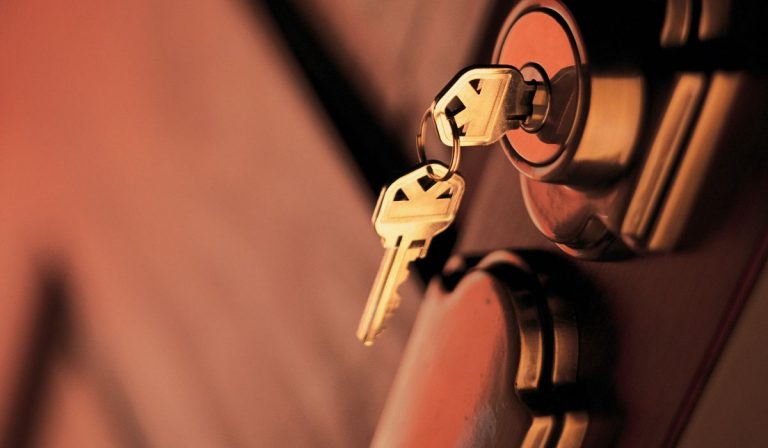

Camper Van Deadlocks: A Practical Guide To Toughening Your Van’s Security
What Is A Camper Van Deadlock?
A camper van deadlock is an additional, independent lock that’s fitted to your doors alongside the factory locking system. Unlike central locking, a deadlock is operated with a separate high-security key and physically bolts a door to the body of the van.
In simple terms, we’re adding a second, much tougher lock that can’t be popped open just by attacking the standard door handle or wiring.
How A Deadlock Works
A deadlock has two main parts: a lock case in the door and a strike (or keep) in the door frame. When we turn the key from outside, a solid metal bolt shoots out from the case into the keep. There’s no spring latch – it’s a positive, mechanical bolt.
Because there’s no external handle connected to that bolt, it can’t be retracted by manipulating the door mechanism, pulling cables, or “slim jimming” the latch. The only way to move the bolt is with the correct key in the cylinder.
On camper vans and panel vans, quality deadlocks are usually surface-mounted internally. That means most of the hardware is hidden inside the door, with only a small, neat external escutcheon where the key goes.
Deadlocks Vs Factory Central Locking
Factory central locking is convenient, but it’s designed first for usability, not maximum security. Thieves know this and exploit it:
- They attack weak spots around the handle or lock barrel.
- They pierce or peel the door skin to reach the mechanism.
- On some models, they access wiring to trick the van into unlocking.
Camper van deadlocks are different:
- They’re independent of the central locking system.
- Even if the factory locks are defeated, the door can still be secured by the deadlock.
- The bolt locks directly into the body, rather than relying on the original latch.
We keep the day-to-day convenience of central locking but add a separate, more robust layer for when we’re parked up or leaving the van for longer.
Deadlocks Vs Slamlocks And Other Van Locks
Deadlocks aren’t the only option. On commercial vans we often see:
- Slamlocks – lock the door every time it’s closed, ideal for couriers who need to prevent opportunistic theft when making drops.
- Rep locks – upgraded barrels that replace weak OEM door locks.
- Hook locks – a style of deadlock where the bolt hooks around a bracket.
For camper vans, straight deadlocks and hook deadlocks are usually the most suitable because we want deliberate locking, not the risk of locking ourselves out every time the door shuts. Slamlocks are great for multi-drop work, less so when we’re carrying shopping and kids or moving camping kit in and out.
Deadlocks give us control: we decide when to arm that extra layer, usually when we’re leaving the van unattended or bedding down for the night (used carefully – more on that later).
Why Deadlocks Matter For Camper Van Security
Camper vans are tempting targets. They’re obviously used for travel, they often scream “expensive gear inside”, and they’re sometimes parked in quiet spots or storage yards where thieves can work undisturbed.
Camper van deadlocks won’t make the vehicle impenetrable, but they change the equation for would‑be intruders.
Common Break-In Methods Deadlocks Help Prevent
Some of the most common break-in methods on vans in the UK are:
- Door peeling – levering the top or side of a sliding or rear door to bend the metal and pop the latch.
- Handle or lock barrel attack – forcibly turning, snapping, or drilling the standard lock to operate the internal mechanism.
- Fishing or cable pulling – reaching in behind the door skin to pull rods or cables linked to the latch.
- Screwdriver attacks – prying weak points at the edge of doors to move the factory latch.
When we add deadlocks:
- The bolt is separate from the OEM latch, so prying the latch doesn’t defeat the deadlock.
- Even if the top of a door is peeled enough to reach the handle, the deadlock bolt can still hold the door closed.
- There’s no cable or rod connected to the deadlock bolt for thieves to pull.
In many real-world break-ins, thieves have damaged the factory lock or handle but failed to open the door because a deadlock was engaged.
Key Benefits Of Adding Deadlocks To A Camper Van
The main advantages we gain by fitting quality camper van deadlocks are:
- Extra resistance to forced entry – a solid steel bolt into reinforced metal is simply harder to attack quickly and quietly.
- Visible deterrent – the external escutcheon and extra key hole signal that the van is upgraded and may not be worth the hassle.
- Better protection for sliding and rear doors – these are often the weakest points on a van, and deadlocks can strengthen them significantly.
- Peace of mind when we’re away from the van – especially when leaving it on a campsite while we go hiking, or storing it off-season.
- Flexibility with keyed-alike systems – one key for multiple doors, and sometimes for additional locks like tool safes or side storage.
While no lock can guarantee security, a decent set of deadlocks raises the bar well above the “quick win” most thieves are looking for.
Limitations And What Deadlocks Cannot Do
It’s important we’re realistic too. Deadlocks cannot:
- Stop a determined thief with plenty of time, tools, and no witnesses.
- Protect against all entry routes – a smashed window or roof vent is still a possibility.
- Secure loose valuables inside: they can only delay access to the van itself.
They also rely on us using them consistently. If we forget to turn the key and engage the deadlock, we’re back to relying solely on the factory system.
So we should see camper van deadlocks as part of a layered security plan, not a silver bullet: strong locks + smart parking + alarms + good habits + sensible insurance.
Types Of Deadlocks For Camper Vans
Not all camper van deadlocks are created equal. The right type depends on the doors we’re protecting, the base vehicle, and how we use the van.
Standard Straight Deadlocks
Straight deadlocks use a solid, straight bolt that extends from the lock case into a keep. They’re common on:
- Rear barn doors on panel vans
- Some cab doors
- Habitation doors on motorhomes and conversions
They’re usually mounted so the bolt engages into reinforced steel on the door frame. For many applications, a good-quality straight deadlock is more than adequate and often more straightforward to fit.
Hook Deadlocks For Sliding And Rear Doors
Hook deadlocks work in a similar way but, instead of a straight bolt, they throw a hook-shaped bolt into a specially shaped keep.
This design is particularly useful on sliding and rear doors because:
- The hook helps resist “peeling” attacks where the top of the door is bent away from the frame.
- It’s harder to force apart vertically because the hook physically wraps around the keep.
On many modern vans, professional fitters prefer hook-style deadlocks on side loading doors and sometimes on rear doors for exactly this reason.
High-Security Cylinders, Keys, And Keyed-Alike Sets
The deadlock body is one thing: the cylinder it’s paired with is just as important.
We should look for:
- High-security euro-profile or dimple cylinders with anti-pick, anti-drill, and anti-bump features.
- Hardened steel construction and protective escutcheons on the outside of the door.
- Keyed-alike options so all deadlocks on the van operate from one key.
For camper vans, keyed-alike is a major convenience win. We might have deadlocks on the side door, rear doors, cab doors, and sometimes a storage locker – carrying a separate key for each quickly becomes a hassle.
Many specialist van lock suppliers can build a set to order, so all locks and any future additions can be added to the same key suite.
Where To Fit Deadlocks On Your Camper Van
Good security isn’t just about what we fit, but where we fit it. The weakest points on a camper vary depending on layout, window placement, and the base vehicle.
Side Loading Doors
Side loading doors are a priority on most camper vans because:
- They often hide behind hedges or walls when parked.
- They’re relatively thin and prone to peeling attacks.
- They usually provide direct access into the living space.
A hook deadlock mounted towards the rear edge or upper quarter of the sliding door can significantly strengthen this area. Professional fitters will position the lock internally where the door skin and frame are strongest and where it offers the best resistance to lever attacks.
Rear Barn Or Tailgate Doors
Rear access is another common target, especially when thieves suspect tools or bikes are stored in the back.
For barn doors (two halves):
- We typically fit a deadlock to the most frequently used leaf.
- Placement is chosen to resist levering at the top corner where peeling often starts.
For tailgates (one large door):
- Depending on the construction, a straight or hook deadlock is mounted on one side, tying the door back to the body.
- The lock should complement, not obstruct, any bike racks, ladders, or internal furniture.
Cab Doors And Habitation Doors
Cab doors on many vans are attacked via the factory lock barrel or by prying the frame. Adding deadlocks here:
- Gives an extra point of resistance if the standard cylinder is snapped or picked.
- Can help protect against “ice pick” style attacks where glass is broken and the interior handle is used.
On motorhomes or coach-built campers, the habitation door is sometimes weaker than the cab doors. Aftermarket deadlocks or secondary security locks can stiffen the door and frame and add a high-security cylinder in place of a basic caravan-style lock.
High-Risk Areas On Different Base Vehicles
Different base vehicles have known weak spots. For example:
- Some Transits and Ducatos are notoriously vulnerable around sliding door latches.
- Certain VWs have historically weak rear door lock barrels.
Specialist van lock installers see these patterns every day. When we speak to a fitter, it’s worth asking which areas on our particular model they consider highest risk and how they’d position camper van deadlocks to counter those attacks. A tailored layout nearly always beats a generic “one lock somewhere on each door” approach.
DIY Fitting Vs Professional Installation
We can buy camper van deadlocks online and fit them ourselves, but there are some serious pros and cons to weigh up before we get the drill out.
What A Professional Installation Involves
A good professional installation typically includes:
- Vehicle-specific brackets and templates so the locks sit in the strongest parts of the door structure.
- Precise cutting of the door skin and internal strengthening plates, usually with specialist tools.
- Careful alignment so the bolt throws cleanly into the keep and doesn’t bind over time.
- Corrosion protection on any cut edges, plus tidy sealing and finishing around the escutcheons.
- Integration with existing trim so there’s no rattling or fouling of cables and window mechanisms.
Most mobile van lock specialists can complete a full set of deadlocks on a typical camper in a few hours, on our driveway or at a workshop.
Risks Of DIY Fitting On A Camper Conversion
DIY is tempting if we’re handy, but we should be realistic about the risks:
- Misalignment – even a few millimetres out can cause sticking, partial engagement, or premature wear.
- Structural weakness – cutting in the wrong place can weaken the door or remove internal bracing.
- Leaks and corrosion – poorly sealed cuts can rust or let in water behind panels and insulation.
- Warranty issues – incorrect fitting may affect manufacturer body warranties and possibly insurance.
On a camper conversion with insulation, vapour barriers, and finished interiors, access can also be tricky. Removing panelling without damage and refitting it neatly is a skill in itself.
If we do decide to DIY, we should at least use vehicle-specific kits, follow templates carefully, and protect all cut edges properly. For most people, though, professional fitting is money well spent.
Typical UK Costs, Timeframes, And Insurance Considerations
In the UK, as of recent trends:
- Expect around £120–£200 per door supplied and fitted, depending on vehicle, lock type, and location.
- A full set (side door + rear doors + sometimes cab) typically runs £350–£600.
- Most jobs are done in half a day to a full day.
Many insurers look favourably on professionally fitted additional security. Some will note camper van deadlocks on the policy and, at minimum, it can help avoid awkward questions if a claim arises following a break-in.
We should always:
- Ask for an itemised invoice describing the locks and doors fitted.
- Check whether our insurer requires Thatcham-approved alarms or specific standards for locks, and log the upgrade with them once complete.
Choosing The Right Deadlocks And Installer
With so many options, we need a simple way to narrow down what to buy and who to trust to fit it.
Checking Compatibility With Your Van Make And Model
First, we should confirm the deadlocks are designed for our specific base vehicle and door configuration. Reputable suppliers and installers will:
- List supported makes and models on their websites.
- Specify whether kits are for barn doors, tailgate, short/long wheelbase, etc.
- Provide vehicle-specific brackets and keeps rather than generic plates.
If our camper is based on a popular platform (Transit, Ducato/Boxer, Sprinter, Transporter, etc.), there will usually be several proven options. For rarer or older vans, we may need a more bespoke solution, in which case choosing an experienced fitter becomes even more important.
Security Standards, Materials, And Build Quality
When comparing products, it’s worth looking at:
- Cylinder quality – pick resistance, drill resistance, anti-bump features.
- Body and bolt material – hardened steel with solid construction, not flimsy castings.
- External furniture – robust escutcheons that protect the cylinder and resist prying.
- Corrosion protection – plated or stainless components, especially for coastal use.
While certain car security products have formal approvals such as Thatcham ratings, van locks are more often judged on brand reputation and design. We can ask fitters what they personally use on fleet customers’ vehicles: that’s usually revealing.
Questions To Ask A Mobile Fitter Or Workshop
Before we book, it’s sensible to ask:
- Which brand and model of deadlocks do you recommend for my van, and why?
- Do you supply keyed-alike sets for all doors?
- Can I see photos of previous installations on the same base vehicle?
- How long will the job take, and do I need to remove any interior furniture or lining first?
- What guarantee do you offer on parts and labour?
If a fitter can’t answer these confidently, or seems vague on how they’ll protect against known attack points on our specific van, we’re usually better off looking elsewhere.
Using And Maintaining Camper Van Deadlocks
Once our camper van deadlocks are fitted, we need to use and look after them properly. Neglect or bad habits can undo a lot of the benefits.
Safe Use When You Are Sleeping Inside
This is a big concern for many of us. Deadlocks are designed to be operated from outside with a key. When engaged, they usually can’t be opened with the internal handle.
That means:
- If we deadlock every door while we’re inside, we may compromise our escape in a fire or other emergency.
- Some people choose to deadlock only doors that are not primary escape routes, leaving at least one door on factory locks only.
We should:
- Plan an emergency exit route in every sleeping arrangement.
- Keep the deadlock key and the vehicle key within easy reach of the bed.
- Practice unlocking in the dark so we’re not fumbling if we ever need to get out quickly.
For maximum safety, many of us deadlock the external doors when we leave the van unattended, and rely on factory locks plus internal security devices (like door braces or chains) when we’re sleeping.
Routine Care, Lubrication, And Preventing Corrosion
Deadlocks are mechanical devices and benefit from a bit of care:
- Lubricate cylinders once or twice a year with a graphite or Teflon-based lock lubricant (avoid heavy oils that gum up dust).
- Lightly grease the bolt and keep if they’re accessible, wiping off any excess.
- Check screws and fixings aren’t working loose with vibration.
- Inspect external escutcheons and seals for cracks that might let in water.
If we regularly drive on salted winter roads or along the coast, it’s worth rinsing the doors down more often and paying extra attention to exposed metalwork.
Common User Mistakes To Avoid
A few pitfalls we see again and again:
- Forgetting to deadlock the van because we rely on the remote. We should build the habit: park up, lock on the fob, then go round and turn the deadlocks.
- Slamming the door with the bolt partly engaged – this can damage both the bolt and the keep.
- Forcing a stiff key rather than having the alignment checked.
- Locking ourselves out by leaving the deadlock key inside: a lanyard or key routine helps.
Used thoughtfully, camper van deadlocks should become a seamless part of our security routine rather than a constant faff.
Extra Security Measures To Combine With Deadlocks
Deadlocks are a big step up, but the best camper security comes from combining several sensible, overlapping measures.
Physical Upgrades: Alarms, Safes, And Visible Deterrents
Consider pairing deadlocks with:
- A quality alarm or immobiliser – particularly one that monitors doors, interior movement, and sometimes tilt (for bike racks, jacks, etc.).
- Onboard safe or lockbox – bolted through the floor or chassis to secure passports, cash, laptops, and cameras.
- Steering wheel locks or pedal boxes – adding visible, awkward obstacles to driving the van away.
- Window security film or grills in particularly vulnerable areas.
The idea is to make the van not just hard to open, but also awkward to steal and unattractive to rummage through.
Parking, Habits, And Other Low-Cost Security Steps
Some of the most effective upgrades cost little or nothing:
- Park with sliding and rear doors tight up against walls, fences, or other vehicles when possible.
- Choose well-lit, overlooked spots over hidden corners.
- Avoid leaving valuables on display: keep kit in cupboards or a safe when not in use.
- Don’t broadcast our exact location and dates on social media while we’re away.
- Use trackers or smart tags for bikes and high-value gear.
When we combine good parking habits with robust camper van deadlocks, opportunistic thieves usually move on quickly.
How Deadlocks Can Influence Insurance And Valuables Cover
Insurers are increasingly aware of van crime, and some will:
- Offer improved terms when we declare professionally fitted additional security.
- Set conditions for cover on high-value conversions, such as alarms, immobilisers, or secure storage locations.
Deadlocks alone won’t magically transform premiums, but they can support our overall risk profile. It’s also much easier to demonstrate we’ve taken “reasonable steps” to secure the van if we ever need to make a claim.
We should always read the small print around:
- Night-time parking requirements
- Requirements for locking the vehicle and using alarms
- Single-item limits for camping kit, bikes, and tech
Then we can design our security setup – including deadlocks – to meet or exceed those conditions.
Conclusion
Camper van deadlocks aren’t glamorous, but they’re one of the most effective upgrades we can make to protect our vehicle, our gear, and our trips.
By choosing quality locks, putting them in the right places, getting them fitted properly, and combining them with sensible habits and extra security, we make our van a far less appealing target. We can’t eliminate risk completely, but we can tilt the odds heavily in our favour.
If we’re serious about camper van security, adding deadlocks is a solid, practical place to start – and a decision most owners only wish they’d made sooner.
Key Takeaways
- Camper van deadlocks add a second, independent high-security lock that physically bolts the door to the van body, making common handle and latch attacks far less effective.
- Compared with factory central locking, camper van deadlocks provide a tougher barrier that still secures the door even if thieves defeat the original lock or wiring.
- Hook-style camper van deadlocks are especially effective on sliding and rear doors because they resist peeling attacks by locking around a reinforced keep.
- Professional, vehicle-specific installation usually offers the best balance of strength, reliability, and insurance benefits, while DIY fitting risks misalignment, leaks, and warranty issues.
- Deadlocks work best as part of layered security – combined with good parking habits, alarms, safes, and sensible use routines, they significantly reduce opportunistic theft from your camper.
Camper Van Deadlocks – Frequently Asked Questions
What are camper van deadlocks and how do they improve security?
Camper van deadlocks are additional, independent locks fitted alongside the factory system. They use a high‑security key to throw a solid bolt directly into the van body. Because they’re separate from the central locking, they resist peeling, latch manipulation, and handle attacks far better than standard locks alone.
Where is the best place to fit deadlocks on a camper van?
Priority areas for camper van deadlocks are typically the side loading door and rear barn or tailgate doors, as these are common attack points. Cab and habitation doors are also worth upgrading. A specialist installer will choose positions that align with internal bracing and known weak spots on your specific model.
What is the difference between straight deadlocks and hook deadlocks on vans?
Straight deadlocks throw a solid bolt into a reinforced keep and are often used on rear barn doors, some cab doors, and habitation doors. Hook deadlocks use a hook‑shaped bolt that wraps around the keep, giving extra resistance against peeling and levering on sliding and some rear doors.
Are camper van deadlocks worth the cost in the UK?
For most owners, camper van deadlocks are worth the investment. Expect around £120–£200 per door supplied and fitted. They significantly raise the effort and time needed to force entry, offer visible deterrence, and may be looked on favourably by insurers, especially when combined with alarms and good parking habits.
Can I legally deadlock my camper van while sleeping inside?
It’s legal to use deadlocks while you’re inside, but you must consider safety. Most deadlocks only open from outside with a key, so fully deadlocking every door can compromise emergency escape. Many campers instead leave at least one door on factory locks and keep keys within easy reach of the bed.