
Can I Buy Van Deadlocks To Match Existing
Why You Might Want Matched Van Deadlocks
Having all your van locks keyed the same brings obvious convenience: one key instead of several, faster access in poor weather or dim light, and fewer lost‑key headaches. But there are practical security and operational benefits too.
- Fleet consistency: For businesses running multiple vans, keying new deadlocks to existing keys makes vehicle swaps, callouts and driver changes smoother.
- Reduced downtime: When a lock fails or is replaced, matching the replacement avoids the need to rekey every other lock.
- Cost control: Although a matched deadlock can carry a small premium, it often saves money overall by eliminating bulk rekeying and lowering administrative time.
We should note one downside: if one key is lost and it opens every lock, you have a single point of vulnerability. That’s manageable with sensible procedures, for example, rekeying only when a key has definitely been lost, or combining matched deadlocks with an alarm or tracking system.
How Van Deadlocks Are Matched
There are two main approaches to matching van deadlocks: specifying the existing key code to the manufacturer or having locks physically rekeyed by a locksmith.
Identifying Your Existing Deadlock
To match a new deadlock we first need to identify the type of cylinder and any manufacturer key code stamped on the key or lock. Common van deadlock types include: double‑bit, tubular, euro cylinder or vehicle‑specific mortice style. Look for:
- A code on the head of the key (often a series of letters and numbers), this lets a manufacturer cut a matching cylinder.
- Manufacturer branding on the lock body (for example: Abus, Yale, Squire, or vehicle OE brands).
- Photographs and measurements of the cylinder length, tailpiece or cam orientation, essential for a precise mechanical fit.
If none of those are available we can still match by supplying the existing key to a locksmith for code extraction or by taking the lock out to identify the profile.
Keying Alike Versus Key Differing
Keying alike means multiple locks are cut to the same keying code so one key operates all of them. Key differing (or keyed to differ) means each lock has a unique key. Deciding which to use depends on:
- Operational needs: single‑user vans usually benefit from keying alike: shared vehicles may prefer keyed differ to control access.
- Security policy: if losing a single key is high risk, you might insist on keyed to differ and keep spare keys in a secure store.
We often recommend a hybrid approach: key matched for exterior deadlocks and unique keys for glovebox or immobiliser cylinders.
Where To Buy Matched Deadlocks
There are three primary sources for matched van deadlocks: manufacturers and authorised dealers, locksmiths, and aftermarket/online retailers. Each has pros and cons.
Buying From Manufacturers And Dealers
Going straight to the lock manufacturer or an authorised dealer is the most reliable way to obtain a deadlock matched to an existing key code. Benefits include:
- Genuine parts and factory keying to your code.
- Warranty support and compatibility assurance for your van model.
- Often quicker key replacements with documented key code records.
We recommend this route if you have the key code or OE lock details. It’s also usually the best option for fleet vehicles where consistent documentation matters.
Using Locksmiths For Keying And Supply
A competent locksmith can supply new deadlocks and either cut keys from an existing cylinder or rekey new cylinders to match. Advantages:
- On‑site service and fitting, useful if you’re stranded or short on time.
- Ability to work from an existing key when no code is present.
- Practical advice on which cylinder type suits your van.
Locksmiths may charge labour plus parts, and lead times vary if special cylinders need to be ordered.
Aftermarket Retailers And Online Options
Many specialist online retailers sell van deadlocks and offer keying services, some will key to code if you provide the number, others will key to differ. Online shopping often gives the best price and selection, but beware:
- Ensure the seller accepts returns and has clear compatibility information.
- Be wary of non‑branded or low‑quality cylinders that look identical but use inferior metal or tumblers.
- Factor in delivery time if you need the deadlock urgently.
If choosing online, we suggest buying from reputable UK suppliers with clear product specifications and customer reviews.
Practical Considerations Before Purchase
Before ordering a matched deadlock we check three areas closely: fit and compatibility, security/insurance requirements, and cost/lead time.
Compatibility And Measurements
Measure the existing cylinder length, position of the fixing screw and cam orientation. Many vans use non‑standard cylinder lengths or require a specific tailpiece shape. A mismatch could mean the lock won’t seat properly or the cylinder protrudes, an obvious weakness.
Bring or photograph the original key, note any code, and measure the door thickness and lock pocket depth. If we’re replacing an entire deadlock unit rather than just a cylinder, confirm bolt size and backset measurements.
Security Ratings And Insurance Requirements
Some insurers require certain security standards (e.g., Sold Secure or Thatcham ratings) for third‑party fitments, particularly for commercial vehicles carrying tools. We always check insurance wording before buying – a matched deadlock that isn’t approved could invalidate a claim.
Costs, Lead Times And Warranty
Costs vary by brand and whether we’re buying a cylinder only, a full deadlock, or paying for locksmith labour. Specialist keyed‑to‑code work can take a few days if the supplier has to cut a specific key. Warranties on genuine parts are typically longer than on generic aftermarket cylinders: keep invoices and any key codes safe for future orders.
Installation And Maintenance
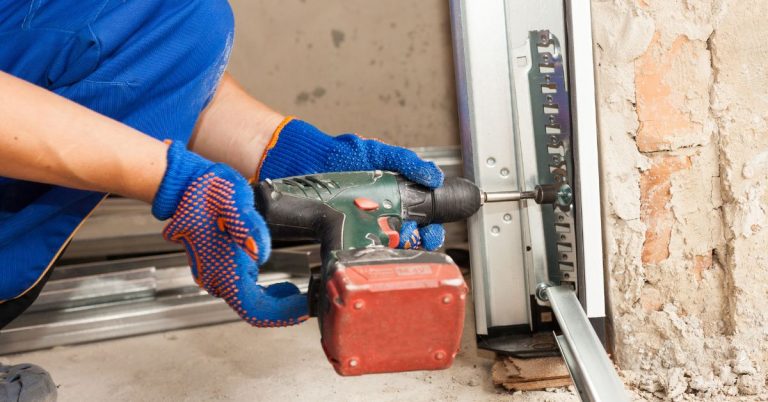
Once we’ve sourced a matched deadlock proper installation and ongoing maintenance will ensure the system remains reliable.
DIY Fitment Checklist
If we fit the deadlock ourselves, we follow a short checklist:
- Confirm the new cylinder matches the key code and measurements.
- Test the key in the new cylinder before final assembly.
- Check cam orientation and ensure the cylinder sits flush with the door line.
- Use thread‑locking compound on fixing screws where appropriate and torque to avoid loosening.
- Lubricate the lock with a graphite or PTFE spray (avoid oily lubricants that collect grit).
We don’t recommend forcing a key that binds, instead remove the cylinder and check for debris or incorrect cam alignment.
When To Use A Professional Installer
Call in a professional if the fitment looks complex, if the new deadlock requires welding or bodywork mods, or if the van has an integrated alarm/immobiliser that needs an installer with vehicle‑specific knowledge. Professionals also offer post‑fit guarantees which help if a lock fails prematurely.
Common Problems And Troubleshooting
Even with a matched deadlock, issues can arise. Here’s how we typically troubleshoot the two most common headaches.
Mis-Matched Keys Or Cylinders
If a new cylinder doesn’t accept the existing key, likely causes are an incorrect key code, an incompatible key profile or an incorrect cylinder length/cam. Steps to resolve:
- Recheck the key code stamped on the key or paperwork.
- Compare the key profile with the old cylinder, a locksmith can identify profile incompatibilities.
- If the wrong cylinder was supplied, request an exchange from the supplier: many will remanufacture to the correct spec if given photos and measurements.
Keeping the old cylinder until the replacement is verified saves time, it’s our fallback when things go wrong.
Wear, Corrosion And Lock Failure
Commercial vans face salt, rain and heavy use. Common signs of wear: stiff keys, keys that won’t turn, or tumblers sticking. Preventative steps we recommend:
- Regularly clean and lubricate locks with dry lubricant.
- Replace worn keys, a bent or nicked key will damage a freshly cut cylinder.
- Fit protective covers or use stainless/electro‑plated cylinders if you operate near the coast.
If a lock fails, remove and inspect the cylinder for internal corrosion or broken pins. Most locksmiths can repair or supply a replacement cylinder without changing the whole deadlock.
Conclusion
So, can you buy van deadlocks to match existing ones? Yes, and it’s often the smartest option for convenience and fleet management. Start by identifying your current cylinder and key code, then choose between manufacturer‑supplied cylinders, a locksmith rekey, or a reputable online retailer. Check measurements, insurance requirements and warranties, and decide whether we fit the lock ourselves or use a professional.
Get the details right up front and you’ll save time, money and frustration down the line. If you’re unsure about compatibility or security standards, consult a trusted locksmith or your vehicle insurer before making the purchase, that small extra step can prevent a lot of headaches.
Key Takeaways
- Yes — you can buy van deadlocks to match existing ones by supplying the key code or the physical key to a manufacturer, authorised dealer or locksmith.
- Identify the cylinder type, stamped key code and exact measurements (cylinder length, cam orientation, fixing screw position) before ordering to ensure mechanical compatibility.
- Choose between manufacturer keying to code, locksmith rekeying or reputable online suppliers based on warranty, lead time and fleet documentation needs.
- Check insurance/security requirements (Sold Secure/Thatcham) and prefer approved cylinders or professional fitting to avoid invalidating claims.
- Test the replacement key in the new cylinder before final assembly, keep the old cylinder until verified, and use protective covers and dry lubricant to prevent wear.
Frequently Asked Questions
Can I buy van deadlocks to match existing locks?
Yes — you can buy van deadlocks to match existing locks. Provide the key code or the original key/cylinder details to the manufacturer, dealer or locksmith. Matching saves time and keys, but check compatibility, insurance requirements and warranty before purchase.
How do manufacturers or locksmiths match a new deadlock to an existing key?
Manufacturers can cut a cylinder to your stamped key code; locksmiths may extract the code from the key or rekey a new cylinder by working from the existing key or cylinder. Accurate measurements and photos ensure correct profile, length and cam orientation.
Where can I buy matched van deadlocks in the UK?
Matched van deadlocks are available from manufacturers/authorised dealers, specialist locksmiths and reputable online retailers. For fleet vehicles, manufacturers or authorised dealers give the best documentation; online often offers price choice but check returns, specs and reviews.
Will fitting a matched deadlock affect my van insurance?
Possibly. Some insurers require specific security standards (Sold Secure, Thatcham) for tool-carrying commercial vans. A matched deadlock that lacks approval could affect claims. Always check your policy wording or confirm with your insurer before buying and fitting.
Can a locksmith match a deadlock if I don’t have the key code or original paperwork?
Yes. A locksmith can work from the existing key or remove the cylinder to identify the profile and extract the code. They can also rekey a new cylinder to match, though onsite labour and lead times may increase compared with supplying a code to a manufacturer.